

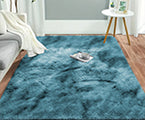

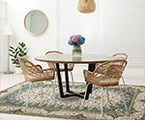
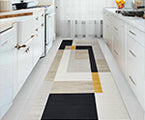
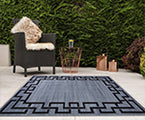


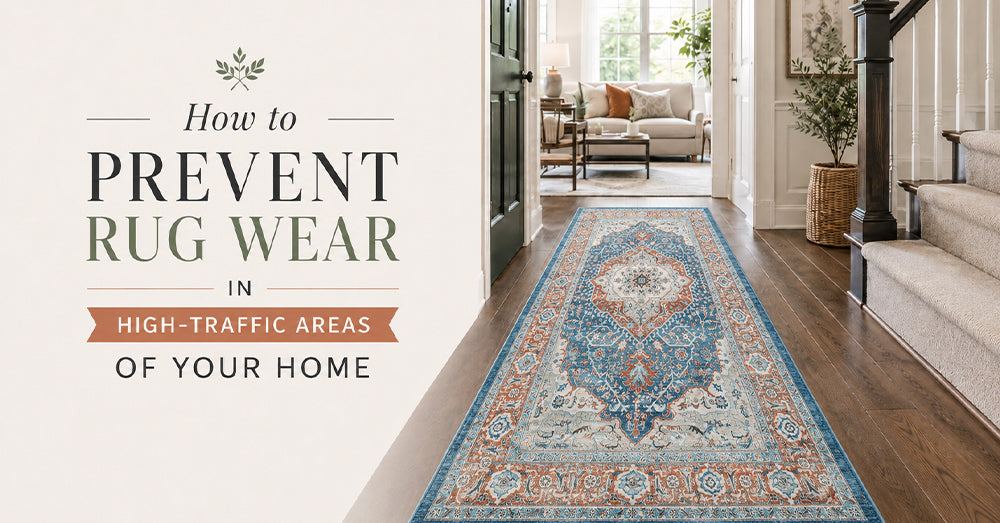
Hallways, entrances, and living rooms naturally put more strain on rugs than quieter spaces like bedrooms. Over time, constant foot traffic, dirt, and furniture can leave even a high-quality rug looking worn. The good news is that with the right care and a few simple habits, you can keep your rug looking its best for years without spending hours on maintenance.
To prevent rug wear in high-traffic areas, choose a durable rug material, use a quality rug pad, rotate your rug every three to six months, vacuum regularly, clean spills promptly, and avoid uneven pressure from heavy furniture. These simple steps reduce fibre damage, distribute wear evenly, and extend your rug's life.
Why Do Rugs Wear Out Faster in Busy Areas

Not all parts of your home receive the same amount of foot traffic. Hallways, entrances, kitchens, and living rooms see countless steps every day, while guest bedrooms or formal sitting rooms may only see occasional use.
Every step creates friction between shoes and rug fibres. Over time, this repeated movement gradually flattens the pile, loosens fibres, and dulls colours. Dirt, grit, and tiny stones carried indoors make matters worse by acting like fine sandpaper, slowly damaging the surface each time someone walks across it.
Homes with children, pets, or frequent visitors often experience faster rug wear simply because the rug has to cope with much more daily activity.
Which Areas of the Home Experience the Most Rug Wear
Although every household is different, some areas consistently experience more traffic than others.
|
Area |
Level of Foot Traffic |
Common Wear Issues |
|
Hallway |
Very High |
Flattened pile, dirt build-up, frayed edges |
|
Entrance |
Very High |
Moisture, mud, stains, fading |
|
Living Room |
High |
Furniture marks, flattened fibres |
|
Kitchen |
High |
Food spills, grease, frequent cleaning |
|
Dining Room |
Medium to High |
Chair movement, food stains |
|
Bedroom |
Low |
Light compression near the bed |
Knowing where your rug works hardest helps you choose the right care routine before damage becomes noticeable.
What Causes Rugs to Wear Out

Many people assume foot traffic alone is responsible, but several factors work together to shorten a rug’s lifespan.
Dirt and Grit Hidden in the Fibres
Tiny particles of dust, sand, and grit are often invisible, yet they are one of the biggest causes of rug damage. Every footstep pushes these particles deeper into the pile, where they rub against the fibres and gradually wear them down.
This is why a rug that looks clean on the surface can still be experiencing hidden damage if it isn’t vacuumed regularly.
Moisture from Wet Shoes
British weather isn’t always kind to flooring. Rainy days often mean wet shoes entering the home, especially through front entrances and hallways.
Moisture weakens fibres over time and encourages dirt to stick more firmly to the rug. If left untreated, damp areas may even develop unpleasant odours or mildew.
Heavy Furniture
Large sofas, coffee tables, and cabinets create constant pressure on one part of the rug.
Without occasionally moving or rotating the rug, these pressure points become permanent, leaving flattened areas that are difficult to restore.
Sunlight
While foot traffic physically damages fibres, sunlight slowly fades colours.
If one side of a rug receives direct sunlight every afternoon while the other remains shaded, the fading becomes uneven and much more noticeable.
How to Prevent Rug Wear in High-Traffic Areas

Protecting a rug isn’t about doing one big thing once a year. Small, consistent habits make the biggest difference.
1. Choose the Right Rug for Busy Areas
Not every rug is designed for constant use.
A delicate, high-pile rug might feel wonderfully soft underfoot, but it probably isn’t the best choice for a busy hallway where muddy boots and shopping bags pass through every day.
Instead, choose rugs made from durable materials that can handle regular foot traffic.
Some of the best choices include:
- Wool rugs: Wool fibres naturally spring back after being walked on, making them an excellent option for busy family homes. They also resist dirt surprisingly well, so they often look fresher between cleans.
- Polypropylene rugs: If your household includes children or pets, polypropylene rugs are a practical choice. They resist stains, are easy to clean, and handle frequent use without wearing out quickly.
- Flatweave rugs: Because they have a lower profile than deep-pile rugs, flatweave designs are less likely to become crushed. They’re particularly useful in hallways, entrances, and under dining tables where chairs move regularly.
Choosing the right material from the beginning is often the easiest way to extend your rug’s lifespan.
2. Never Skip a Rug Pad
Many homeowners see a rug pad as an optional extra, but it’s actually one of the simplest ways to protect your rug.
A quality rug pad provides a cushioned layer between the rug and the floor. This reduces the impact of every footstep, helping the fibres absorb less stress over time.
A rug pad also:
- Prevents the rug from slipping, making it safer in busy areas.
- Reduces friction between the rug and the floor, which helps protect the backing.
- Adds extra comfort underfoot, especially on hard flooring.
- Helps the rug keep its original shape instead of stretching or bunching.
For homes with wooden, laminate, or tiled flooring, a rug pad is one of the best long-term investments you can make.
3. Rotate Your Rug Regularly
Even in the busiest homes, people rarely walk across every part of a rug equally. One side often receives significantly more use than the other, especially near doorways, sofas, or favourite walkways.
Rotating your rug every three to six months spreads that wear more evenly. Instead of one section fading or flattening while the rest still looks new, the entire rug ages at a much more consistent rate.
It’s a simple job that takes only a few minutes but can noticeably extend your rug's appearance and lifespan.
4. Vacuum Frequently, But Do It Properly
Vacuuming isn’t just about keeping your rug looking tidy. It removes the dust, grit, pet hair, and tiny debris that gradually wear down the fibres every time someone walks across the rug.
In busy households, aim to vacuum high-traffic rugs at least twice a week. Areas such as entrance halls and living rooms may even benefit from a quick pass every couple of days, particularly during wet weather when more dirt is brought indoors.
For the best results:
- Use the correct vacuum setting: If your rug has a deep pile or shaggy texture, switch off the rotating brush bar if possible. Aggressive brushes can pull at the fibres and cause premature wear.
- Vacuum in different directions: Moving the vacuum both with and against the pile helps lift hidden dirt that one direction alone might miss.
- Pay extra attention to walkways: The centre of a hallway or the space between your sofa and television usually experiences the most traffic, so spend a little longer cleaning these areas.
Regular vacuuming may seem like a small task, but over the years it can significantly extend your rug's life.
5. Clean Spills Before They Become Stains
Life happens. A cup of tea gets knocked over, muddy footprints appear after a rainy walk, or the family dog runs in with wet paws. Acting quickly is often the difference between a simple clean-up and a permanent stain.
If something is spilt:
- Blot the liquid immediately using a clean, dry cloth or paper towel. Avoid rubbing, as this can push the stain deeper into the fibres.
- If needed, use a mild cleaning solution suitable for your rug material.
- Work from the outside of the stain towards the centre to prevent it from spreading.
- Allow the rug to dry completely before placing furniture back on top.
For deeper cleaning advice, readers can also explore RugsPile’s guide to washing and caring for a rug, which explains the best cleaning methods for different materials.
6. Keep Dirt Outside Where It Belongs
One of the easiest ways to reduce rug wear starts before anyone even steps inside.
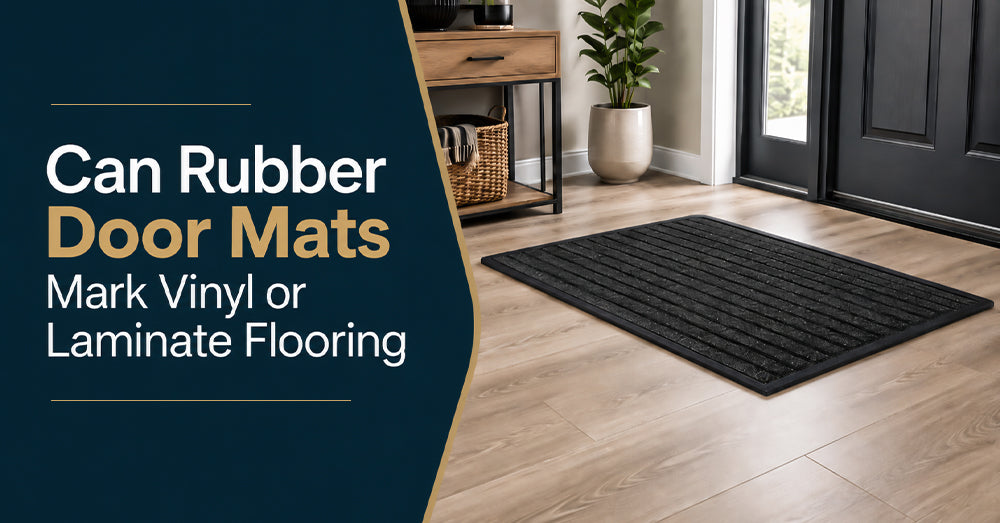
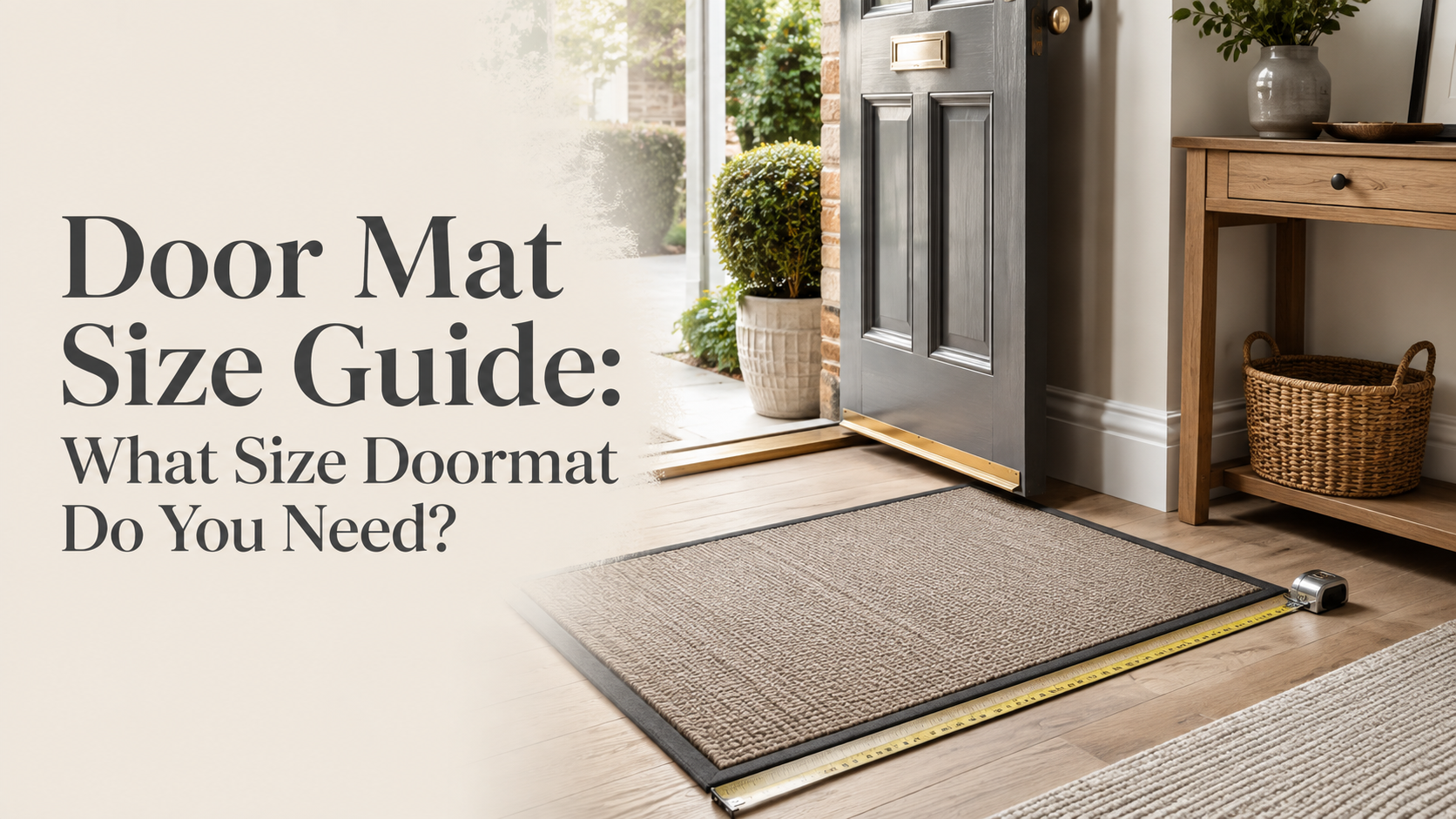
A good-quality doormat at every entrance catches much of the dirt, gravel, and moisture that would otherwise end up embedded in your rug fibres. Encouraging family members and guests to wipe their shoes or remove outdoor footwear indoors can dramatically reduce the amount of abrasive debris entering your home.
This is especially useful during autumn and winter when wet weather is more common across the UK.
Think of your doormat as the first line of defence. The less dirt reaches your rug, the less damage it experiences over time.
7. Rearrange Furniture Occasionally
Heavy furniture leaves pressure marks on rugs, especially if it stays in the same position for years.
Every few months, consider making small adjustments to your furniture layout. Even moving a coffee table a few centimetres or repositioning an armchair can let previously compressed fibres recover.
If moving large furniture isn’t practical, gently brushing flattened areas with your hand or a soft brush after lifting the furniture can help restore some of the pile.
8. Choose the Right Rug Size
A rug that’s too small often wears out faster because people naturally walk around its edges or repeatedly step on the same narrow sections.
Choosing the correct size helps distribute foot traffic more evenly across the entire surface.
For example:
- In a living room, the front legs of your sofa and chairs should ideally sit on the rug.
- In a hallway, a runner should leave a border of visible flooring on each side while still covering the main walking path.
- Under a dining table, the rug should be large enough for chairs to remain on it even when pulled out.
If you’re unsure which dimensions work best, RugsPile’s Rug Size Guide offers practical advice for every room.
Which Rug Materials Last Longest
Different fibres respond differently to daily use. Some naturally bounce back after being walked on, while others show signs of wear more quickly.
|
Rug Material |
Durability |
Best For |
Maintenance Level |
|
Wool |
Excellent |
Living rooms, hallways |
Moderate |
|
Polypropylene |
Excellent |
Busy family homes, kitchens |
Easy |
|
Cotton |
Moderate |
Bedrooms, casual spaces |
Easy |
|
Jute |
Moderate |
Low to medium traffic areas |
Moderate |
|
Shaggy |
Lower in busy areas |
Bedrooms |
Higher |
|
Synthetic Flatweave |
Excellent |
Hallways, dining rooms |
Easy |
Choosing the right material for the location is often more important than choosing the most expensive rug.
A Simple Rug Maintenance Routine
Looking after your rug doesn’t need to feel overwhelming. Breaking maintenance into small, regular tasks is much easier than waiting until the rug looks worn.
Weekly
- Vacuum busy areas thoroughly.
- Shake out smaller rugs if appropriate.
- Check for fresh spills and clean them promptly.
Monthly
- Inspect the edges for signs of fraying.
- Lift furniture slightly to reduce long-term pressure.
- Spot clean any marks before they become permanent.
Every 3 to 6 Months
Rotate your rug.
- Deep clean if needed.
- Check that the rug pad is still providing good support.
- Assess whether sunlight is causing uneven fading and adjust the rug if necessary.
Following a simple schedule like this helps prevent small issues from turning into costly replacements.
Common Mistakes That Shorten a Rug’s Lifespan
Many rugs wear out earlier than expected because of everyday habits that people rarely think about.
Some of the most common mistakes include:
Ignoring regular vacuuming. Dirt trapped deep within the fibres continues to cause damage, even if the surface looks clean.
- Leaving spills for later. Liquids become much harder to remove once they dry, increasing the risk of permanent staining.
- Skipping a rug pad. Without extra cushioning, every footstep creates more friction between the rug and the floor.
- Never rotating the rug. One area ends up taking all the wear, leaving obvious faded paths across the surface.
- Using harsh cleaning products. Strong chemicals can weaken fibres and affect colours, particularly on natural materials.
Avoiding these simple mistakes can add years to your rug’s life.
Room-by-Room Tips for Protecting Rugs
Different rooms place different demands on a rug. Adjusting your care routine to suit each space can make a noticeable difference to how well your rug ages.
Hallway
Hallways are often the busiest part of the home. Family members, guests, pets, and deliveries all pass through this area, bringing dirt and moisture inside.
To keep your hallway rug in good condition:
- Place a durable doormat at your entrance, both inside and outside, to catch as much dirt as possible before it reaches the rug.
- Vacuum more frequently than rugs in other rooms, especially during autumn and winter.
- Choose a low-pile or flatweave rug that won’t trap excessive dirt and is easier to clean.
- Check that the rug lies flat to reduce trip hazards and prevent the edges from curling.
- Protect your floors: Explore our durable Hallway Runners designed for high-footfall entryways.
Living Room
The living room is where most families relax, entertain guests, and spend evenings together. Foot traffic is usually concentrated between seating areas and the television.
A few simple habits can reduce wear:
- Rotate the rug every few months so one section doesn’t become noticeably flatter than the rest.
- Use furniture pads beneath heavy sofas and coffee tables to reduce pressure on the fibres.
- Vacuum underneath furniture occasionally, as hidden dust can gradually spread back across the rug.
If you’re updating your space, RugsPile’s Living Room Rug Ideas guide offers inspiration for choosing practical yet stylish designs.
Dining Room
Dining room rugs experience a different type of wear. Instead of constant foot traffic, they deal with moving chairs, dropped food, and occasional drink spills.
To keep them looking their best:
- Choose a rug that’s large enough for dining chairs to remain on it when pulled out.
- Clean food spills as soon as possible to prevent staining.
- Lift chairs rather than dragging them whenever possible, as repeated scraping can damage both the rug fibres and edges.
- Bedroom
Bedroom rugs generally last longer because they’re exposed to lighter foot traffic. However, they can still develop flattened areas beside the bed where you step each morning.
Occasionally rotating the rug and vacuuming under the bed during routine cleaning helps maintain its appearance with minimal extra effort.
Expert Tips to Make Your Rug Last Longer
Sometimes it’s the smallest habits that have the biggest impact. These simple tips are easy to overlook but can help preserve your rug for years.
Tips:
- Avoid wearing outdoor shoes indoors whenever possible. Tiny stones and grit trapped in shoe soles act like sandpaper against rug fibres.
- If one side of the room receives strong sunlight every day, close curtains during the brightest hours or rotate the rug regularly to reduce uneven fading.
- Professional cleaning every 12 to 18 months can remove deeply embedded dirt that regular vacuuming cannot reach, particularly for larger wool rugs in busy family homes.
If your rug starts curling at the corners, address it quickly. Curled edges wear out faster and can become a trip hazard.
FAQ's
How often should I rotate my rug?
Most rugs benefit from being rotated every three to six months. If the rug is in a particularly busy area, such as a hallway or entrance, rotating it every three months helps spread foot traffic more evenly and prevents obvious worn paths from developing.
Can a rug pad really make a difference?
Yes. A rug pad cushions every step, reduces friction against the floor, prevents slipping, and helps the rug maintain its shape. It’s one of the simplest ways to extend the lifespan of both the rug and your flooring.
Which rug material is best for high-traffic areas?
Wool and polypropylene are among the most durable choices. Wool naturally recovers from compression, while polypropylene is stain-resistant, affordable, and well-suited to homes with children or pets.
Does vacuuming damage rugs?
Not when done correctly. Using the appropriate vacuum setting and avoiding overly aggressive brush bars on delicate rugs helps remove damaging dirt without harming the fibres.
Can sunlight damage a rug?
Yes. Prolonged exposure to direct sunlight can gradually fade colours, especially on natural fibres. Rotating the rug and using curtains or blinds during the brightest part of the day can reduce uneven fading.
Is it worth repairing a worn rug?
Minor issues, such as loose edges or small frays, are often worth repairing before they worsen. Addressing damage early is usually far more cost-effective than replacing the entire rug.
Final Thoughts
A rug does more than complete a room. It adds warmth, comfort, and style while protecting your floors. Although rugs in busy areas naturally take more wear, simple habits like regular vacuuming, rotating your rug, using a quality rug pad, and choosing the right material can help it look its best for years.