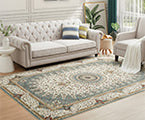



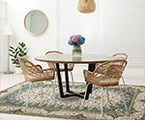


In many UK homes, kitchens are practical spaces with hard flooring such as porcelain tile, laminate, vinyl, Karndean or engineered wood. While these surfaces are durable, they can feel cold, noisy and unforgiving underfoot. A well-chosen kitchen rug improves comfort, protects flooring, reduces sound and helps define areas in open-plan layouts.
The best kitchen rug balances durability, easy cleaning, moisture resistance, secure backing and design. This guide covers everything: rug types, materials, waterproof options, safety, placement, layout advice, cleaning, and how to choose the right rug for modern British homes.
What Is the Best Kitchen Rug?
For most homes, a low-pile polyester or polypropylene runner with non-slip backing offers the best balance of durability, easy cleaning, moisture resistance and everyday comfort.
Why Use a Rug in the Kitchen?
Are rugs in kitchens a good idea?
Yes, when the correct material and backing are chosen. Low-pile rugs made from durable synthetic fibres work well in busy kitchens and are easy to maintain.
Benefits of Adding a Kitchen Rug
- Comfort underfoot: Standing at the sink or hob for long periods can cause fatigue. A supportive floor covering softens hard surfaces and reduces strain.
- Warmth in colder months: Hard flooring can feel especially cold during UK winters. A rug adds insulation.
- Noise reduction: Textile surfaces absorb sound from footsteps, chairs and appliances, which is helpful in open-plan kitchen-diner spaces.
- Floor protection: Rugs reduce scratches, wear and minor spill damage on laminate, tile and hardwood.
- Visual structure: In open layouts, a rug helps define cooking and dining zones.
When a Kitchen Rug May Not Be Suitable
- Areas with constant heavy water pooling
- Thick, high-pile or shag designs
- Rugs without non-slip backing
The key is choosing the right construction for kitchen conditions.
Types of Kitchen Rugs Explained

Runner Rugs
Runner rugs are ideal for narrow or galley kitchens, which are common in terraced and semi-detached homes. Sizes such as 60cm x 180cm work well along cabinet runs and protect main walking paths.
Area Rugs
Area rugs suit open-plan kitchen-diners. Placed under a dining table or in front of an island, they anchor larger zones and soften expansive flooring.
Anti-Fatigue Mats
These are designed for long periods of standing. Often used in front of sinks or hobs, they provide ergonomic cushioning while remaining low profile.
Kitchen Mats vs Rugs
Kitchen mats are usually smaller and highly functional. Rugs provide broader coverage and decorative appeal while still offering protection and comfort.
Round, Square or Rectangular Rugs
- Rectangular rugs work best in long kitchens.
- Round rugs suit breakfast tables or compact spaces.
- Shape should follow the layout and traffic flow.
Best Materials for Kitchen Rugs

Material selection affects durability, cleaning, moisture resistance and longevity.
Polyester
Polyester is widely used in modern kitchen rugs because it:
- Resists stains
- Holds colour well
- Feels soft underfoot
- Dries quickly
- Performs well in high-traffic households
It offers a balanced combination of durability and comfort.
Polypropylene
Known for strong moisture resistance and resilience, polypropylene handles heavy use and is easy to wipe clean.
Nylon
A highly durable synthetic fibre with strong wear resistance. Suitable for very busy kitchens.
Wool
A natural fibre with good resilience and warmth. It insulates well but requires more maintenance and is better suited to drier zones.
Cotton and Blended Fibres
Lightweight and often machine washable. Best for lower-traffic kitchens.
Natural Fibres
Offer textured, earthy style. However, they are sensitive to moisture and better placed away from sinks and garden access points.
Material Comparison Overview
| Material | Comfort Level | Durability | Cleaning Ease | Best For |
|---|---|---|---|---|
| Polyester | Soft | High | Easy | Most UK homes |
| Polypropylene | Medium | Very High | Very Easy | High-traffic kitchens |
| Nylon | Medium Soft | Very High | Moderate | Busy households |
| Wool | Very Soft | High | Moderate | Dry areas |
| Cotton | Soft | Medium | Easy | Light-use kitchens |
| Jute / Sisal | Firm Texture | Medium | Low | Decorative zones |
Waterproof, Washable and Stain-Resistant Rugs

What Does Waterproof Mean?
Waterproof rugs prevent liquid from penetrating through the backing to the floor beneath. Water-resistant fibres repel minor spills but may absorb larger amounts.
Machine-Washable Rugs
Ideal for families, pet owners and homes with garden access. Low-pile polyester designs are often suitable for domestic washing machines.
Water-Resistant vs Fully Waterproof
- Water-resistant: handles splashes and small spills
-
Waterproof: blocks liquid absorption completely
Best for Families and Pets
Low-profile synthetic rugs that are stain-resistant and washable offer practical performance for everyday UK living.
Safety and Stability
Safety is essential in kitchen environments.
- Choose non-slip or latex backing
- Use a rug pad if additional grip is needed
- Select low-pile edges to reduce trip risk
- Ensure backing is safe for laminate, vinyl and hardwood
- Check compatibility with underfloor heating systems
Proper grip reduces movement on smooth tile or engineered wood floors.
Size and Placement Guide
Correct placement improves both function and appearance.
- In Front of the Sink: Most common position. A 60cm x 90cm rug suits compact kitchens.
- In Front of the Hob: Use a low-profile design to avoid curled edges near the cooking zones.
- Under the Kitchen Table: Allow sufficient space for chairs to slide without catching the edges.
- Under a Kitchen Island: Defines space in open-plan layouts and protects the flooring beneath stools.
- Along a Galley Layout: Long runners protect walking paths in narrow kitchens.
- Small Kitchen Placement: Use lighter tones and minimal patterns to avoid visual clutter.
- Using Multiple Rugs: Separate cooking and dining zones in larger spaces.
- Always consider traffic flow, clearance around doors and cabinet swing space.
Kitchen Rugs by Layout Type
- Galley Kitchens: Long runners maximise coverage without narrowing space visually.
- U-Shaped Kitchens: Place rugs along the main work triangle for comfort.
- L-Shaped Kitchens: Use a central runner or two smaller rugs to balance the layout.
- Kitchen-Diners: Area rugs anchor dining areas within open layouts.
- Compact British Kitchens: Low-pile and lighter colours maintain openness.
Styling and Design Ideas
- Neutral Colours: Neutral tones blend seamlessly with modern cabinetry.
- Bold Colours: Bold colours create contrast in white or grey kitchens.
- Patterned Rugs to Hide Marks: Geometric, vintage or distressed patterns camouflage crumbs and small stains.
- Farmhouse and Contemporary Styles: Natural textures complement shaker kitchens, and Geometric designs suit modern interiors.
- Checkerboard and Geometric Trends: Popular in contemporary UK homes for visual interest.
- Texture and Flatweave Construction: Flatwoven designs are practical and easier to clean than plush styles.
Practical Considerations
Durability in High-Traffic Areas
Choose tightly woven synthetic fibres that resist daily wear.
Cleaning and Maintenance
- Vacuum regularly
- Spot clean spills quickly
- Machine wash when appropriate
- Allow rugs to dry fully before reuse
Heat and Grease Exposure
Select fibres that tolerate occasional heat and cooking splashes. Avoid placing delicate natural fibres directly beside hobs.
Underfloor Heating Compatibility
Low-pile synthetic rugs generally work better with heated floors than thick wool or rubber-backed styles.
Longevity
Most kitchen rugs last between three and five years, depending on traffic and maintenance.
Common Mistakes to Avoid
- Choosing thick shag rugs
- Ignoring non-slip backing
- Selecting the incorrect size
- Placing delicate fibres in splash zones
- Blocking cupboard doors
- Overcrowding small kitchens
FAQS
What type of rug is best for a kitchen?
Low-pile synthetic rugs with secure backing offer balanced durability and easy cleaning.
Are rugs practical in kitchens?
Yes, when moisture-resistant and easy to maintain.
Should a rug go in front of the sink or the hob?
The sink is the most common placement.
What backing is safest?
Rubber or latex non-slip backing.
Can you put a rug under a kitchen table?
Yes, ensure enough clearance for chairs.
What material lasts longest?
Polyester, polypropylene and nylon perform well under heavy use.
Do kitchen rugs get dirty quickly?
They collect crumbs, but low-pile designs clean easily.
How do you stop a rug from sliding?
Use non-slip backing or a rug pad.
Are rugs safe on laminate or vinyl floors?
Yes, if the backing is floor-safe.
What size rug should I choose?
Measure your layout and follow traffic flow.
Comparison: Which Kitchen Rug Option Is Best?
- Best for Durability: Polyester, polypropylene and nylon handle high foot traffic effectively.
- Best for Comfort: Wool and anti-fatigue mats provide cushioning.
- Best for Easy Cleaning: Machine-washable synthetic rugs.
- Best for Style: Flatweave patterned rugs that balance design and practicality.
- Best Overall for Most Homes: A low-pile polyester rug with a non-slip backing offers a practical balance of durability, comfort, moisture resistance, and easy maintenance for everyday kitchens.
Final Thoughts
A kitchen rug should improve comfort, protect flooring and fit naturally within your layout. Focus first on material performance, secure backing and correct sizing. Once practicality is covered, choose colour and pattern to complement your space.
Recommended Kitchen Rugs
- Durable runner rugs
- Flatweave designs
- Washable synthetic options
- Anti-fatigue styles for sink areas
Choose designs that combine stain resistance, secure grip and practical sizing for everyday British kitchens.