




The 1950s brought big changes to home design. After the war, people wanted homes that felt calm, bright, and easy to live in. Rooms became more open and simple. This time helped shape mid-century modern living, a style built on comfort and function.
Rugs were an important part of this change. They made homes warmer and helped rooms feel complete without heavy decoration.
Why the 1950s Changed the Way Homes Were Designed
In post-war Britain, many houses were rebuilt or newly made. Space was limited, so homes needed smart layouts. Design became practical and user-focused. People wanted homes that worked for daily life. Simple furniture, open floors, and soft textiles helped create this feeling.
The Rise of Mid-Century Modern Living in the 1950s
From Post-War Function to Comfortable Living
Early homes focused on basic needs. Later, comfort became just as important. Sofas became softer. Rooms felt warmer. Rugs added comfort underfoot and reduced noise.
Living spaces became places to relax and spend time together.
British Homes and the Move Towards Simplicity
Many British homes adopted clean layouts. Walls stayed light. Furniture stayed simple. Rugs added texture and warmth without making rooms feel busy.
How Furniture Design Influenced 1950s Interiors

- Clean Lines, Raised Legs, and Space-Saving Forms: Furniture followed a clean-lined design. Smooth shapes and raised-leg furniture made rooms feel open. Floors were visible, helping small rooms look larger. Rugs helped soften these open floors and balance the room.
- Practical Furniture for Smaller British Homes: Design focused on space-saving design. Furniture had a clear purpose. Rugs helped define areas instead of using walls, especially in shared rooms.
Colour Trends That Defined 1950s Homes
- Pastel Shades in Everyday Living Spaces: Homes often used pastel colour schemes. These soft shades made rooms feel peaceful and bright.
- Warm Accent Colours Used Through Textiles: Most rooms followed a neutral colour palette. Warm accent colours were added using soft furnishings, including rugs, to bring life into the space.
The Role of Rugs in 1950s Interior Design

Rugs were useful, not just decorative.
How Rugs Helped Define Living Spaces
In many living room spaces, rugs helped place sofas and chairs together. This made the room feel organised and balanced.
- Comfort and Warmth in Post-War Homes: Hard floors were common. Rugs added warmth and comfort, especially during cold weather.
- Rugs as a Design Feature, Not Just Flooring: With simple furniture, vintage rugs became a key design feature. They added pattern and depth without clutter.
Popular Rug Patterns Inspired by the 1950s

- Geometric Designs and Clean Repeating Shapes: Rugs often use geometric patterns. These shapes matched the neat and ordered style of the time.
- Atomic and Abstract Motifs: Some designs used abstract motifs to add interest while keeping a modern feel.
- Scandinavian Influence on Rug Styling: Nordic design encouraged calm, balance, and natural texture. Rugs followed this simple and practical approach.
Typical Colours Found in 1950s Style Rugs
- Neutral Bases for Balance: Light base colours helped rugs blend well with furniture and room layouts.
- Mustard, Teal and Earthy Tones for Contrast: Accent tones worked well with wooden furniture, adding warmth without overpowering the room.
Where Rugs Were Used in 1950s Homes
- Living Rooms and Seating Areas: Rugs were placed under sofas and tables to hold seating areas together.
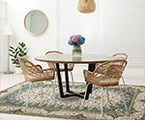
- Dining Spaces and Open Layouts: In dining areas, low-profile rugs made the floors softer while keeping chairs easy to move.
- Bedrooms for Added Warmth: Rugs improved bedroom comfort, especially next to beds.
How 1950s Rug Styling Works in Modern Homes Today

This style still suits everyday family living. Simple rugs with soft colours work well in modern UK homes. One rug can change how a room feels.
Choosing the Right Rug for a 1950s Style Interior
- Picking the Right Size: A rug should sit under the main furniture legs. This keeps the room balanced.
- Selecting Practical Materials for Daily Use: Strong materials last longer and suit busy homes.
Why 1950s Interior Design Still Feels Relevant Today
1950s design focused on comfort, simplicity, and function. These ideas still match how people live today, which is why the style remains popular.
Looking to Add 1950s Character to Your Home With Rugs?
You do not need to change your whole home to create a 1950s look. Simple changes work best. During this time, homes focused on comfort, clean space, and everyday use.
Rugs help bring this style together. They add warmth, reduce noise, and help organise living spaces. Designs inspired by earlier decades work well with simple furniture and light rooms.
At RugsPile, you can explore retro-inspired rug designs that suit calm interiors and practical UK homes. These rug styles work well in living rooms, dining areas, and bedrooms, helping spaces feel balanced and welcoming.
Want to bring 1950s style into your home? The right rug makes all the difference.
Explore our complete guide on interior design with rugs to learn how to choose the perfect size, colour and style.
It will help you create a warm and balanced retro space.