

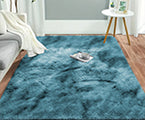

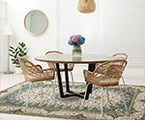
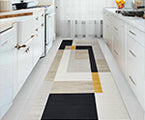
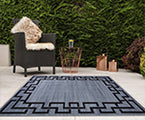


Matching rugs with your floor colours is all about creating harmony, contrast, and balance. Your floor sets the foundation of your room, and the right rug can enhance your space, define areas, and add personality. Whether you have light oak, dark hardwood, or neutral carpet, choosing the right rug colour, material, pattern, and texture can completely transform a room. In this guide, we’ll explore practical tips, examples, and styling advice for effectively pairing rugs with floor colours.
Understanding Your Floor Type
Before choosing a rug, it’s important to understand your floor. The colour, texture, and finish all influence which rugs will look best. Floors generally fall into four main categories:
- Light floors: Pale oak, maple, bleached wood
- Medium floors: Walnut, chestnut, honey oak
- Dark floors: Mahogany, espresso, deep-stained hardwood
- Neutral carpets: Cream, beige, soft grey
Knowing the shade of your flooring helps you pick colours that complement it naturally or create an intentional contrast. For example, a light floor often pairs beautifully with soft, neutral rugs, while a dark floor may look stunning with a lighter rug that brightens the room.
Tip: Don’t forget the finish of your floor. Glossy floors reflect light differently than matte finishes, so a rug that works on a matte surface might appear more vibrant on a glossy one.
Choosing the Right Colour Palette
Colour is one of the most important factors when matching a rug to a floor. You want your rug to either blend harmoniously or stand out in a complementary way.
| Floor Type | Recommended Rug Colours | Why It Works |
|---|---|---|
| Light floors | Cream, pale blue, soft green, pastel shades | Keeps the room bright and airy |
| Medium floors | Rust, olive, warm neutrals, mustard | Complements the natural warmth of the floor |
| Dark floors | Ivory, soft grey, muted blues, blush tones | Adds contrast, prevents the space from feeling too heavy |
| Neutral carpet | Jewel tones, patterned rugs, florals | Introduces character and interest without overwhelming |
Example: On a pale oak floor, a cream wool rug creates a harmonious look, while a pastel blue rug adds subtle colour without clashing. On dark mahogany floors, a soft grey or ivory rug provides contrast and visually opens up the room.
Material Matters
The material of your rug affects not only the colour but also how it feels and wears over time. Different floor types may pair better with certain materials:
- Wool rugs: Naturally soft, warm, and durable. Colours appear rich, making wool a great match for medium or dark floors.
- Cotton rugs: Lightweight and easy to clean. Work well on hardwood floors for a crisp, fresh look.
- Jute or Sisal rugs: Textured and earthy, ideal for light or medium floors. Adds natural warmth.
- Synthetic rugs: Versatile, durable, and great for bold patterns or high-traffic areas. Perfect for both light and dark floors.
Tip: When in doubt, lay a small rug sample on your floor in natural light to see how the material and colour interact with your flooring.
Complementing vs Contrasting
You can choose rugs that complement your floor or contrast with it. Both approaches work, but each creates a different effect:
- Complementing: Use a rug in a similar tone to your floor. This creates a soft, seamless, and harmonious look.
- Contrasting: Pick a rug in a shade that contrasts with your floor. This adds interest and can make a bold statement.
Example: A honey oak floor with an olive rug is complementary, creating a warm, cosy vibe. The same floor with a cream rug contrasts, making the room feel bright and fresh.
Patterns, Size, and Placement
Patterns can either enhance your flooring or clash with it. Consider the following:
- Plain floors: Patterned rugs add texture and interest.
- Patterned floors: Simple or subtle rugs prevent visual overload.
- Neutral floors: You can experiment with bold patterns or floral designs.
Size matters:
- Living room: Choose rugs large enough to anchor furniture and define a seating area.
- Bedroom: Large rugs under the bed or runners along the sides work best.
- Hallways: Long, narrow rugs complement the shape and create a welcoming path.
Layering rugs is another stylish option. For example, a neutral base rug with a smaller patterned overlay adds depth, texture, and a contemporary look.
|
Base Rug |
Overlay Rug |
Floor Type |
Effect |
|
Neutral wool |
Patterned cotton |
Light wood |
Soft, inviting warmth |
|
Jute |
Small colourful wool |
Medium wood |
Earthy and stylish |
|
Light grey |
Bold patterned synthetic |
Dark wood |
Balanced and bright |
Lighting and Colour Perception
Lighting changes the way colours appear. A rug that looks perfect in a shop may appear different in your home depending on the light.
- Natural daylight: Shows true colours accurately.
- Warm artificial light: Enhances reds, oranges, and earthy tones.
- Cool artificial light: Highlights blues, greens, and greys.
Pro Tip: Observe your rug at different times of day to ensure the colour works in all lighting conditions.
Rugs for Wood Floors
Light Wood Floors
- Soft shades like cream, pastel blue, or pale green work well.
- Jute or sisal rugs add natural texture.
- Avoid very dark rugs unless you want a strong contrast.
Medium Wood Floors
- Warm neutrals, terracotta, olive, and mustard tones complement the floor.
- Wool or cotton rugs add depth and texture.
Dark Wood Floors
- Lighter shades like ivory, soft grey, and muted blues create contrast.
- Avoid very dark rugs, as they can make the room feel heavy.
- Patterned rugs with hints of colour lift the space.
Rugs for Carpeted Floors
For carpeted rooms, contrast is key:
- Neutral carpets: Bold or patterned rugs add personality.
- Coloured carpets: Stick to muted, neutral rugs to avoid clashing.
- Textured carpets: Simple rugs prevent the space from feeling busy.
Layering also works well; placing a smaller patterned rug over a plain carpet can create a stylish focal point.
Seasonal Rug Choices
Rugs can also reflect seasonal moods:
- Spring/Summer: Light colours, pastels, floral patterns, and thin weaves.
- Autumn/Winter: Warm, earthy shades, deep reds, rusts, or thick wool rugs.
For an easy seasonal update, browse our Autumn rug Sale for reduced rugs in warm, earthy colours and cosy textures. It’s a simple way to bring richer tones into your room without changing the whole space.
Changing your rug seasonally can refresh a room without replacing flooring or furniture.
Common Mistakes to Avoid
- Matching the rug exactly to the floor colour → creates a flat look
- Ignoring lighting → colours may look different at home
- Choosing too many patterns → visual overload
- Selecting the wrong size → disrupts the room proportion
Popular Rug Colours by Floor Type
|
Floor Colour |
Recommended Rug Colours |
Material Suggestions |
|
Light oak |
Cream, pastel shades, soft grey |
Wool, cotton, jute |
|
Honey oak |
Rust, olive, earthy neutrals |
Wool, cotton |
|
Walnut |
Mustard, deep green, burgundy, ivory |
Wool, synthetic blends |
|
Dark mahogany |
Light grey, ivory, soft blue |
Wool, synthetic |
|
Neutral carpet |
Jewel tones, florals, geometric prints |
Wool, cotton, synthetic |
FAQs
Q: Can I match rugs with patterned flooring?
A: Yes, but opt for plain or subtly textured rugs to avoid clashes.
Q: Should rug colours exactly match my floor?
A: Not always. Contrast often adds more visual interest.
Q: Are synthetic rugs suitable for dark floors?
A: Absolutely. Synthetic rugs are versatile and work with bold colours and patterns.
Q: How can I make a small room look larger with rugs?
A: Choose light-coloured rugs that blend with the floor, and avoid busy patterns that shrink the space visually.
Final Thoughts
Matching rugs with your floor is about understanding colour, material, texture, and lighting. Whether you want a harmonious look or a bold contrast, the right rug can elevate your room, protect your floors, and add style and comfort. Use the tips and examples above to make your choices easier.
Take your time, try samples in your space, and trust your instincts.
The perfect rug is out there, and it will make your floor shine.