




Moving into a rented home is an exciting new chapter. Whether you've rented a flat in London, a family home in Manchester or a cottage in the countryside, you want your home to feel warm, comfortable and welcoming.
The challenge is making your space feel like your own without making permanent changes. Most tenancy agreements do not allow decorating, replacing flooring or making major alterations. That's why many renters choose rugs. A well-chosen rug adds colour, comfort and personality while helping to protect your flooring from everyday wear.
However, not every rug is suitable for every floor. Some rug backings may mark certain floor finishes, while rugs without a proper underlay can slide, leading to scratches over time.
This guide explains how to choose the right rug for your rented home, protect your floors and enjoy a stylish living space without worrying about unnecessary damage.
Quick Answer
The best rug for a rental home is one that suits your room, is safe on your flooring, and is paired with a quality, floor-safe rug underlay. Choosing the correct size, keeping the area underneath clean and following the manufacturer's care advice can help protect your floors throughout your tenancy.
Why Rugs Are a Smart Choice for Renters
A rug is one of the easiest ways to improve a rented property without making permanent changes.
Instead of painting walls or replacing flooring, you can simply place a rug in your living room, bedroom or hallway to create a cosy and stylish space.
A quality rug can also:
- Make hard floors feel warmer underfoot.
- Add colour and texture to neutral rooms.
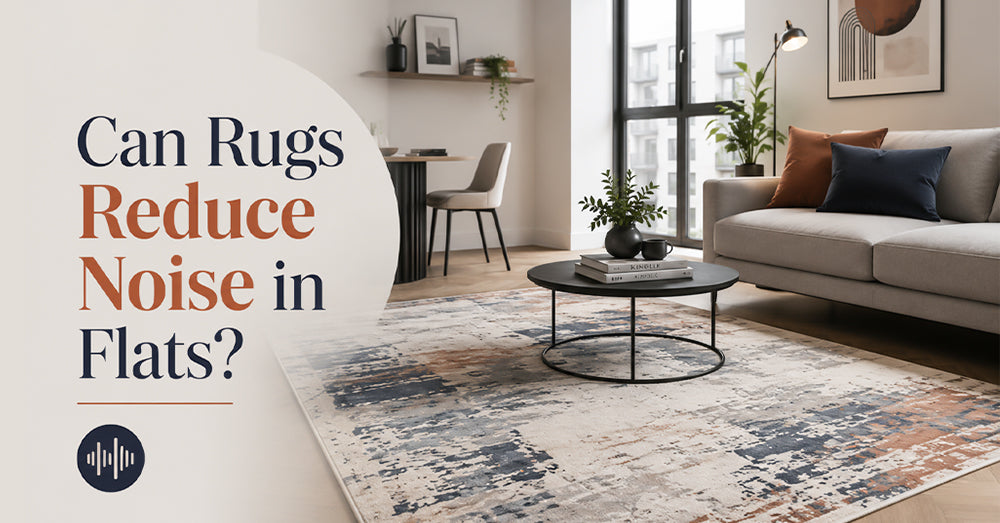
- Reduce everyday noise, especially in flats.
- Help protect flooring from furniture and foot traffic.
- Cover small marks on older flooring.
- Move with you when it's time to move home.
Buying a good rug is often better value than purchasing temporary decorations that cannot be reused in your next property.
Before You Buy a Rug
Before you start shopping, take a few minutes to check these important points.

Measure Your Room
Always measure your room before buying a rug. A rug that is too small can make a room feel disconnected, while one that is too large may not fit comfortably around furniture.
Check Your Flooring
Different flooring materials need different levels of care. Knowing whether you have hardwood, engineered wood, laminate, vinyl, or carpet will help you choose the most suitable rug and underlay.
Think About Daily Life
Ask yourself a few simple questions.
- Do you have children?
- Do you have pets?
- Is the room used every day?
- Will you move again in the next few years?
Your answers will help you choose a rug that suits your lifestyle, the room and the amount of everyday use it will receive.
Understanding Your Flooring
Choosing the right rug starts with understanding the floor beneath it.
Hardwood Floors
Hardwood flooring adds character to many UK homes, but it can be scratched by trapped dirt or by rugs that move frequently.
To help protect hardwood flooring:
- Vacuum underneath your rug regularly.
- Use a quality floor-safe rug underlay.
- Lift furniture instead of dragging it.
- Clean spills quickly.
These simple habits can help keep wooden floors looking their best.
Laminate Flooring
Laminate flooring is common in modern rental properties because it is durable and easy to maintain.
Although laminate is strong, small stones and grit trapped beneath a moving rug can leave scratches over time.
A non-slip underlay helps reduce movement while adding extra comfort.
Vinyl Flooring
Vinyl flooring is practical and water-resistant, making it popular in kitchens and hallways.
Some rubber-backed rugs may react with certain vinyl floor finishes. For this reason, many flooring manufacturers recommend using a floor-safe rug underlay rather than placing rubber directly onto the floor.
If you're unsure, check the flooring manufacturer's guidance or speak to your landlord or letting agent.
Carpeted Floors
Rugs are not only for hard floors.
Adding a rug to carpet can help define seating areas, protect busy walkways and introduce extra colour and texture.
A suitable underlay can also help keep the rug in place on carpeted floors.
Why Every Rental Home Needs a Floor-Safe Rug Underlay
A rug can make a rented home feel warmer and more comfortable, but using the right underlay is just as important as choosing the rug itself. A quality, floor-safe rug underlay helps protect your flooring while improving your rug's performance and stability.
In many rental properties, smooth surfaces such as hardwood, laminate and vinyl flooring allow rugs to move during everyday use. As the rug shifts, dust, grit and small stones can become trapped underneath, creating friction that may leave scratches or marks over time. A floor-safe underlay helps reduce this movement, making the rug more secure and protecting the floor beneath it.
A good underlay also improves comfort by adding a layer of cushioning underfoot. It can help reduce noise when walking across hard floors, making it particularly useful in flats and apartments where sound may travel between rooms or neighbouring properties. Keeping the rug firmly in place also reduces the risk of slips, creating a safer environment for everyone in the home.
When choosing an underlay, make sure it is suitable for your flooring type and follow the manufacturer's recommendations. Some flooring finishes require specific underlay materials, so selecting the right option helps protect both your rug and the floor throughout your tenancy.
Although it is often overlooked, a floor-safe rug underlay is a simple investment that can help extend your rug's life, minimise unnecessary wear on your flooring, and make your rented home more comfortable from day one.
What to Look for When Choosing a Rug for a Rental Home
Different rug materials have their own advantages, but for most renters, the priority should be choosing a rug that suits the room, works safely with the flooring, and is practical for everyday use. If you'd like to compare wool, polypropylene, polyester, cotton, and natural-fibre rugs in more detail, see our dedicated guide to choosing the perfect rug for every room.
Choose the Right Rug Size
Choosing the right rug size is still important in a rented home, as a rug that fits the room properly is less likely to move or create awkward furniture layouts. Before buying, measure your space carefully and consider how the rug will work with your existing furniture. If you're unsure which size is right for your living room, bedroom, dining room or hallway, our Rug Size Guide provides detailed recommendations for different room layouts and furniture arrangements.

Common Mistakes That Can Damage Floors
Many floor problems stem from simple mistakes that are easy to avoid.
Using the Wrong Rug Backing
Some rug backings may not be suitable for every floor finish. If you're unsure, use a floor-safe underlay between the rug and the floor.
Skipping the Underlay
Without an underlay, rugs can slide and wear against the floor surface.
Leaving Dirt Underneath
Small stones, dust and grit trapped beneath a rug can act like sandpaper when the rug moves.
Vacuum underneath your rug regularly.
Dragging Heavy Furniture
Always lift heavy furniture rather than drag it across a rug.
Ignoring Care Instructions
Every rug is different. Following the manufacturer's cleaning and care advice helps keep both the rug and your flooring in good condition.
Simple Rug Care Tips
Looking after your rug does not need to be difficult.
Follow these simple habits:
- Vacuum once or twice a week.
- Remove spills as quickly as possible.
- Rotate your rug every few months.
- Air the rug when needed.
- Keep the area underneath clean.
- Use furniture pads under heavy furniture.
These small steps can help your rug last longer and protect your floors throughout your tenancy.
Best Rugs for Different Rental Homes
Every rented home is different, so the best rug depends on how you use the space and your day-to-day lifestyle.
Flats and Apartments
Soft rugs paired with a quality floor-safe underlay can help reduce everyday noise while making hard floors feel warmer and more comfortable.
Family Homes
Choose practical rugs that can handle regular foot traffic and are easy to keep clean in busy living areas where children and guests spend time.
Pet-Friendly Homes
Look for rugs that are easy to maintain and can handle everyday dirt, pet hair, and muddy paws. Regular vacuuming and prompt cleaning will help keep them looking their best.
Student Accommodation
Lightweight rugs are often the most practical choice because they are easier to transport, store and reuse when moving between properties.
Short-Term Rentals
Neutral colours and versatile designs can adapt to different interiors, making them a practical investment if you expect to move again in the future.
No matter where you live, choosing a rug that suits your lifestyle, works well with your flooring and is easy to care for will help you enjoy it for years to come.
Simple Ways to Make a Rental Home Feel More Personal
You do not need to make permanent changes to create a home you love. A carefully chosen rug can completely change the look and feel of a room.
Here are a few simple ideas:
- Add a large rug to your living room to create a cosy seating area.
- Place a soft rug beside your bed for extra comfort in the morning.
- Use a hallway runner to make narrow spaces feel warmer.
- Choose neutral colours if you expect to move again.
- Add cushions and throws that match your rug for a coordinated look.
These small changes can make your rented home feel more welcoming while keeping your tenancy agreement intact.
Advice from Our Experience Helping UK Renters
At RugsPile, we know that choosing a rug is about more than finding a design you like. The right rug should suit your lifestyle, fit your room and work well with your flooring.
Many customers ask us whether a rug will damage laminate or wooden floors. In our experience, problems are usually caused by dirt trapped beneath the rug, rugs moving across smooth flooring or using the wrong type of backing.
A quality rug, combined with a floor-safe non-slip underlay and regular cleaning, can help protect your flooring while making your home more comfortable.
If you are unsure which rug is right for your home, measure your room first, check your flooring type and choose a rug made from a material that suits your daily life. Taking a little extra time before buying can help you enjoy your rug for many years.
Conclusion
Choosing a rug for a rented home is about more than improving the look of a room. The right rug can add warmth and comfort while helping to protect your flooring from everyday wear throughout your tenancy.
By understanding your flooring, using a floor-safe rug underlay and following a few simple care habits, you can enjoy a more comfortable living space without worrying about unnecessary damage. Small decisions, such as measuring your room carefully and keeping both the rug and the floor clean, can make a noticeable difference over time.
Whether you're renting your first flat or settling into a long-term home, choosing a practical rug that suits your lifestyle can help create a space that feels comfortable today and is ready for your next move when the time comes.
If you'd like more help choosing the right rug, explore Rugspile shop buying guides for practical advice on rug sizes, room layouts and everyday rug care.