







Choosing the perfect rug comes down to three things: the room, the lifestyle, and the personality.
For living spaces, opt for durable wool or modern designs that can handle daily wear. Bedrooms deserve soft textures and soothing tones, while runners and low-pile rugs suit hallways and kitchens where practicality matters most.
The key? A rug should feel as good as it looks, tying your space together while expressing who you are.
Let's explore how to get it right in every corner of your home, from cosy London flats to family homes in the Cotswolds.
Why the Right Rug Matters
A rug isn't just a floor covering; it's the soul of a room.
It defines zones in open, plan living, softens acoustics in echoey spaces, and adds that touch of warmth our British homes crave through long, grey winters.
In UK interiors, where heritage charm meets modern minimalism, the right rug bridges eras, styles, and seasons. It's the layer that makes a house feel lived in and loved.
Design Insight: Studies by the British Home Design Institute show that rooms with soft textiles (such as rugs and curtains) are perceived as 30% "warmer" and more inviting by homeowners and guests alike.
Living Room Rugs: Comfort Meets Character
The living room is where we unwind, from evening telly sessions to Sunday roasts with family. A rug here should anchor the furniture, soften the mood, and handle life's little spills with grace.
Size & Scale
A common mistake? Choosing a rug that's too small.
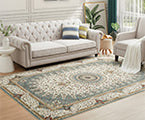
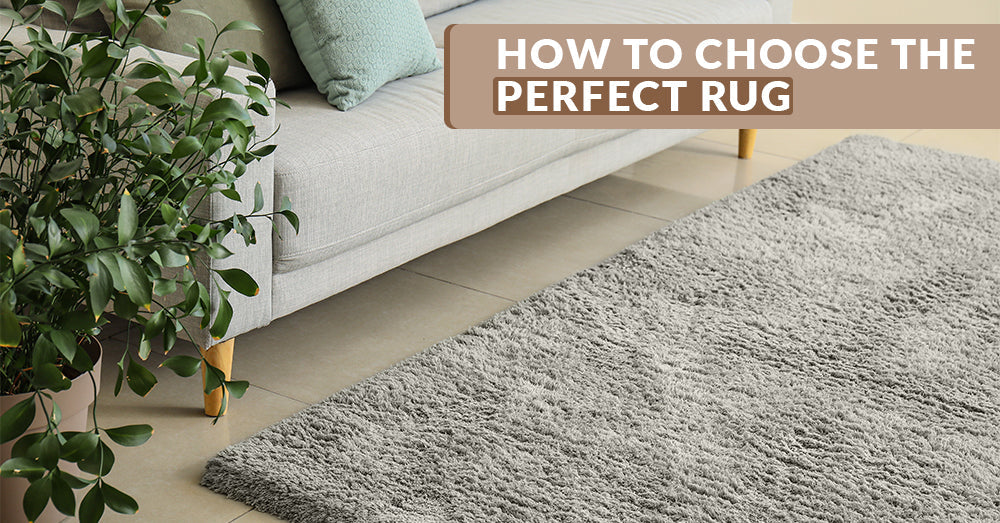
Ideally, your rug should sit beneath the front legs of your sofa and armchairs. This visually "grounds" your seating area and creates a sense of flow.
Texture & Material
- Wool rugs are a UK favourite, naturally soft, insulating, and built to last.
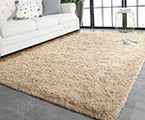
- Shaggy designs add comfort underfoot and suit homes with wooden or laminate flooring.
- If you prefer sleek and modern, flat, weave styles give a clean, minimalist edge.
Colour & Mood
For classic British homes with rich tones and characterful details, consider muted shades such as greys, deep blues, or mossy greens.
In newer builds or minimalist apartments, bold geometrics or abstract modern patterns can create personality and contrast.
RugsPile Tip: If your living room gets direct sunlight, opt for fade-resistant fibres, a smart choice for bright south-facing lounges.
Bedroom Rugs: Serenity and Soft Steps
There's nothing like stepping out of bed onto a plush, warm rug on a frosty UK morning.
The bedroom should be a haven of calm, so think soft textures, layered tones, and gentle contrast.
What Works Best
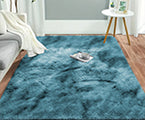
- Shaggy or high-pile rugs bring luxury to quiet spaces.
- Wool-blend options offer breathable comfort, ideal for year-round warmth.
- For smaller rooms, two bedside runners can add symmetry and softness without crowding the floor.
Colour & Mood
Soft blush, misty grey, or creamy neutrals blend beautifully with British light, which often has a cool undertone.
In cottages or period homes, Persian-inspired patterns introduce warmth and a touch of timeless charm.
Design Story: One London client told us how her new wool rug "transformed" her sleep, the muted tones and soft texture made her feel calmer, proving how much a good carpet can influence your wellbeing.
Dining Room Rugs: Balancing Beauty and Function
The dining area is where practicality meets polish. Between family dinners and festive gatherings, spills are inevitable, so durability matters.
Best Choices
- Flat, weave and low-pile rugs are easy to clean and prevent chair legs from catching.
- Wool, in mix designs, is both stylish and forgiving, naturally resisting stains.
- If you entertain often, a patterned rug hides minor marks while adding visual interest.
Sizing Tip
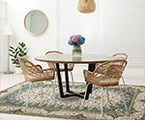
A dining rug should extend at least 60–70 cm beyond the table on all sides, allowing chairs to slide in and out smoothly.
Trend Watch 2026: UK homeowners are leaning towards earthy textures, think jute or wool, in neutral shades that add organic warmth without overpowering the room.
Kitchen Rugs & Runners: Practical Style
Kitchens aren't traditionally thought of as "rug rooms," but that's changing.
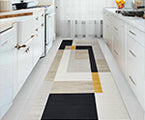
A runner along your galley kitchen or near the sink adds comfort, colour, and character.
What to Choose
- Washable runners are a must for busy homes.
- Flat, woven rugs handle moisture and crumbs with ease.
- In rustic-style kitchens, woven jute or cotton complements wooden cabinets beautifully.
For narrow or awkwardly shaped kitchens, runners can also visually elongate the space, a trick loved by UK interior designers.
Safety Note: Always use a non-slip rug pad to prevent movement on tiled or vinyl floors.
Hallways: First Impressions That Last
Your hallway sets the tone the moment guests walk in. It's also one of the hardest-working spaces in your home, meaning your rug needs resilience as much as style.
Why Runners Work
- They protect flooring from muddy boots and pet paws.
- They add a welcoming touch to what's often an overlooked area.
- They're easy to change with the seasons, letting you refresh your décor without redecorating.
Opt for durable fibres such as wool, polypropylene, or jute, and don't shy away from bold patterns. A runner rug is the perfect place to play with colour.
Children's Rooms & Play Areas
In family homes, rugs do double duty: comfort for little feet and cushioning for playtime tumbles.
Go for soft, low-maintenance materials, cotton or washable synthetic blends.
Patterns matter too: cheerful motifs or colour, blocked designs add personality without feeling childish.
Choose something that will grow with your child; neutral tones or geometric prints work beautifully from toddlerhood to teen years.
Eco Insight: Many UK families are now opting for sustainably sourced rugs, reducing microfibre shedding and supporting ethical production, a win for both home and planet.
Home Offices & Studios
With remote work now a staple of UK life, more people are investing in rugs for their home offices.
A well-chosen rug can soften acoustics during video calls, define the workspace, and make long hours at your desk more comfortable.
- Flat-weave or low-pile rugs allow easy chair movement.
- Neutral tones help maintain focus and calm.
- For creative studios, bold modern patterns can inspire energy and originality.
Outdoor & Conservatory Spaces
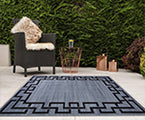
Don't forget your outdoor zones, patios, conservatories, and balconies benefit from the texture and comfort of outdoor rugs.
Modern materials like recycled polypropylene resist weather, spills, and UV rays, yet feel surprisingly soft underfoot.
In a conservatory, a woven rug in earthy tones brings indoor warmth to a glass-filled space, blurring the boundary between home and garden.
How to Choose by Material
Each rug material tells its own story, and suits different lifestyles:
| Material | Best For | Benefits |
|---|---|---|
| Wool | Living rooms, bedrooms | Naturally soft, durable, insulating |
| Cotton | Children's rooms, casual spaces | Washable, breathable, affordable |
| Polypropylene | Hallways, kitchens | Stain-resistant, hard-wearing |
| Jute / Sisal | Dining rooms, rustic décor | Eco-friendly, textural charm |
| Shaggy | Bedrooms, cosy nooks | Luxurious feel, sound absorbing |
RugsPile Advice: Always check the pile height and backing material before buying. In underfloor-heated homes, common in newer UK builds, natural fibres like wool perform beautifully.
Size Guide for Every Room
Getting the size right is as essential as the style.
Here's a quick guide:
- Living Room: Extend beyond sofa front legs (usually 160x230 cm or larger).
- Bedroom: Go for 200 x 290 cm for a king-size bed, or use twin runners for smaller rooms.
- Dining Room: Leave at least 60 cm clearance from the table edges.
- Hallway: Choose a runner that leaves 10–15 cm of visible floor on either side.
- Measure twice, buy once.
How to Layer Rugs (the British Way)
Layering rugs is a major UK design trend for 2026. It adds warmth, dimension, and personality.
Start with a neutral base rug (like jute) and top it with a smaller patterned design.
In living rooms, this trick helps define zones, especially in open, plan spaces.
Stylist's Note: Mixing patterns works best when you balance scale, such as a large rug geometric pattern beneath a smaller Persian pattern.
Maintenance Made Easy
A great rug deserves care.
- Vacuum regularly (once a week for high-traffic zones).
- Rotate seasonally to even out wear.
- Spot-clean spills immediately with mild soap and water.
- Annual professional cleaning for wool or high-value Persian rugs.
- With the proper care, quality rugs can last decades, becoming part of your home's story.
FAQs - Your Rug Buying Questions Answered
What rug material is best for UK homes?
A: Wool is ideal, it's insulating in winter and breathable in summer. Polypropylene is also popular for its stain resistance.
Can I put a rug on carpet?
Yes. Use contrasting textures (e.g., flat-weave over plush carpet) to define zones and add style.
Are shaggy rugs hard to clean?
Not if vacuumed regularly and shaken outdoors every few weeks. Many modern shaggy styles now feature easy-care fibres.
Should a rug go under the sofa or stop before it?
For balance, place the front sofa legs on the rug; it connects furniture pieces and makes the room feel cohesive.
How do I stop my rug from slipping?
Use an anti-slip underlay or rug pad, especially on hard floors.
Final Thoughts
A rug isn't just a design accessory; it's an everyday comfort.
From handwoven Persian classics to contemporary geometric designs, every piece has the power to shape mood, define space, and tell a story.
In British homes, where weather, architecture, and lifestyle all vary, the perfect rug brings harmony to it all. Whether you're styling a city flat, a country cottage, or a seaside escape, let your floor speak your personality.
Because when your rug feels right, your whole room feels right.
